|
|
Contact Us
|
||||||
|
|
|
|||||||
|
|
1967 |
SHELBY RESEARCH GROUP | ||||||
|
|
|
|
||||||
|
|
|
|
|
|
|
Contact Us
|
||||||
|
|
|
|||||||
|
|
1967 |
SHELBY RESEARCH GROUP | ||||||
|
|
|
|
||||||
|
|
|
|
|
|
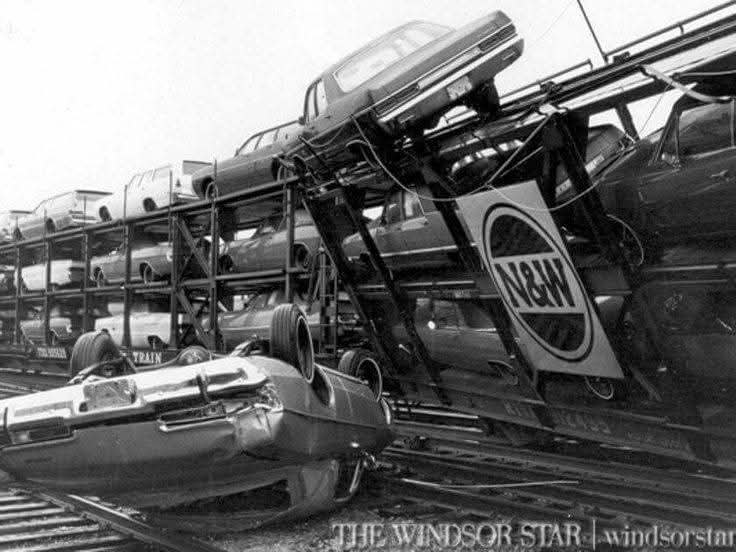
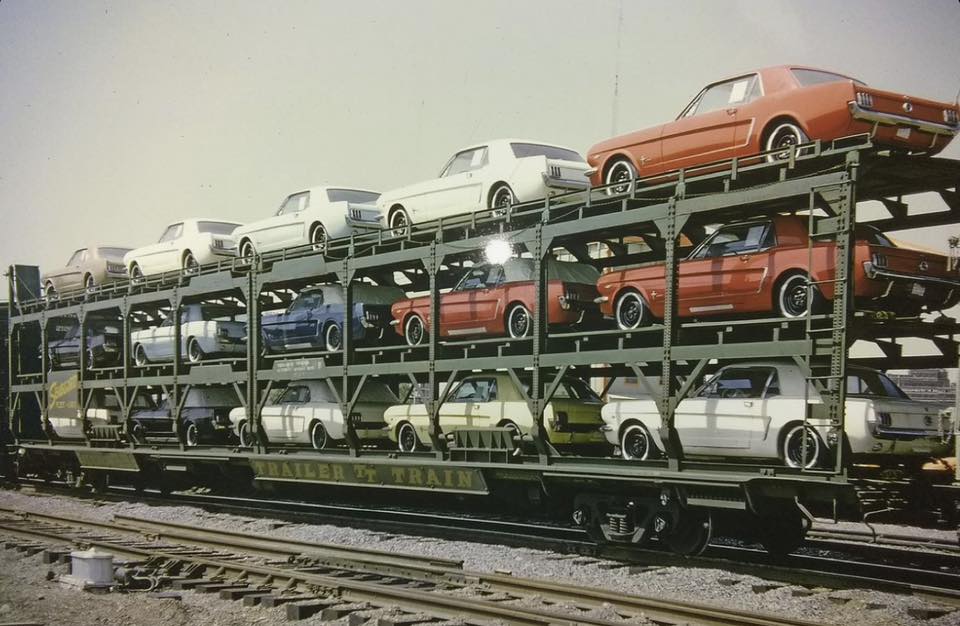
A total of 14 Shelby GT cars were damaged when a railway car derailed at a switching yard. It is believed there was also one Ford (non-Shelby) vehicle loaded with them. A railway car can hold 15 Mustangs (three levels, five cars per level).
The latest shipping date from Shelby American (cars 'released' to Hadley Transport Company) is June 28, 1967. The derailment would therefore have occurred after 6/28/67.
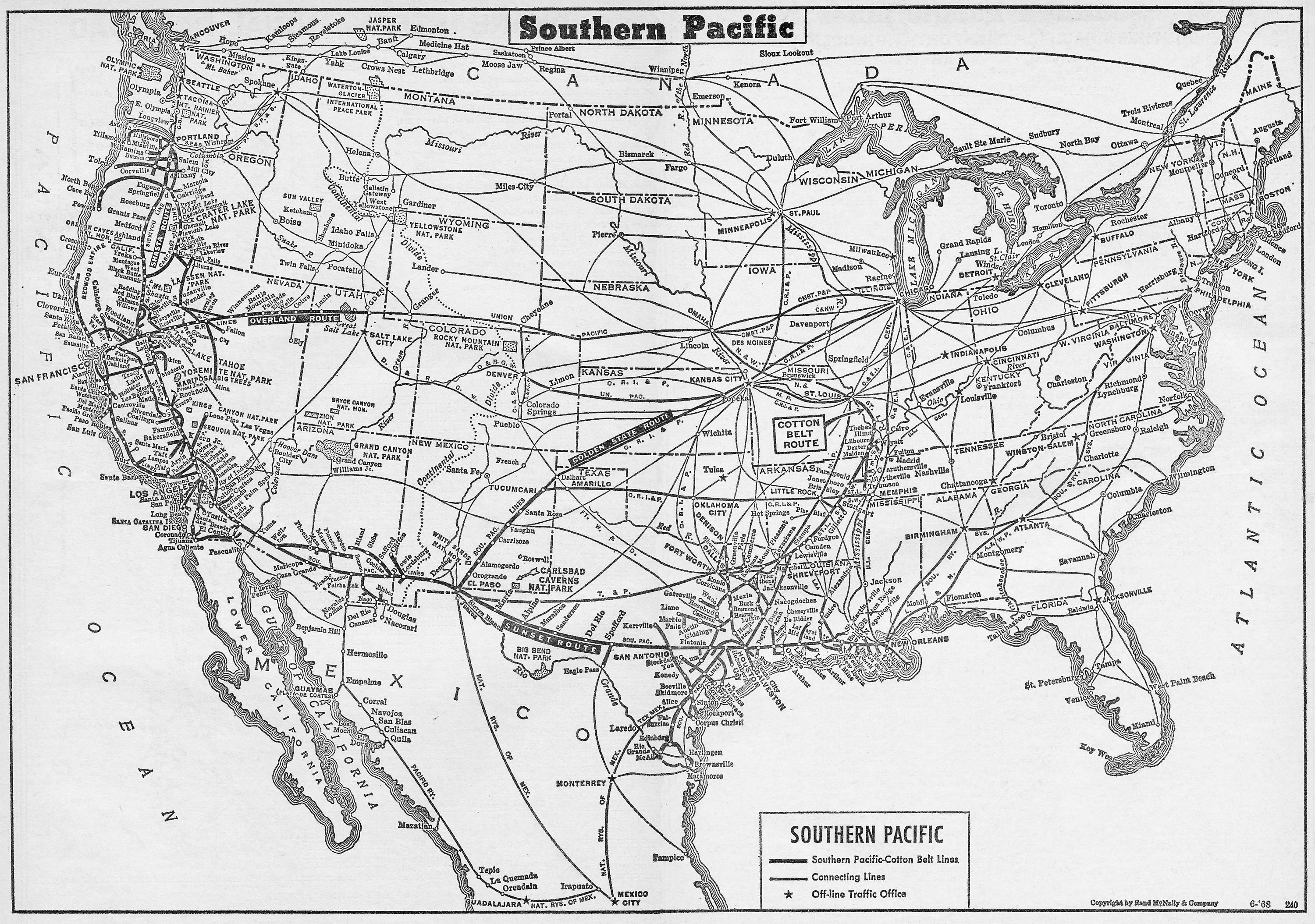
The cars were likely loaded at the Ford Pico Rivera yard, and the derailment possibly happened at a switching yard (Taylor?), between Pico Rivera and San Bernardino, of which there are several in the Southern California area. The cars
were all destin There would have been no insurance company involved, and therefore no claim paperwork. The railroads self-insure. Southern Pacific Railroad purchased and picked up the damaged cars on September 12, 1967 (from the derailment site?). 13 of the damaged cars were sold off through Santa Fe Freight Salvage in San Bernardino, California. All 13 are accounted for today, and many still wear hidden damage (scars) from the accident. It appears all were sold through Ford dealers, which may have been a legal requirement since the vehicles were new and still on MCO. It is believed that the 13 cars were sold off by San Bernardino Auto Salvage before the end of the 1967 calendar year. The 14th Shelby GT was #2365, a supercharged, Acapulco Blue, GT 350 4-speed. Based on interviews with former railway workers, it is believed that this car was so badly damaged (undriveable), that a Caterpillar D9 bulldozer, piloted by Thomas Burwell (RiP), was used to bury the car alongside the tracks where the derailment occurred. Perhaps this car fell off the upper deck and landed upside down, crushing the roof.
Why was "H.O.R." (Home Office Reserve) written on the
replacement unit Production Orders? Why would Ford have been
paid for the loss? If the SRG's theory about the ~4/27/67 Ford
acquisition of SAI is accurate, this makes perfect sense. All
the cars were completed after the 4/27/67 date when "Z" VINs
started. We believe the Z stamp indicates a FoMoCo accountable
inventory item. Ford would have received the payment from the
Southern Pacific Railroad for the 14 damaged cars because Ford
was the owner of these cars. This could also explain why there
is no claim paperwork in the Shelby files for the cars -- it
would have all been processed through Ford and might still be in Ford's
archives. A value of "Y2" in a cell in the [PO?] column indicates two (2) Production Orders. One would be for the car that was damaged, and the other would be for the replacement car. The replacement car POs are numbered from RR01 to RR14. They are also marked "H.O.R." (Home Office Reserve). This topic was made possible by the years of research by
Anthony Di Labio, Greek Zachariou, Rich Plescia, and others.
Also, Dave Mathews for documenting these cars in his book and
for providing us with the 14 RR#s written on the cars'
Production Orders. See Also |
|
©2018–2026 The Shelby Research Group ▪ Where Knowledge is Freely Shared™ ▪ Disclaimer, Fair Use Notice, Contact Us |
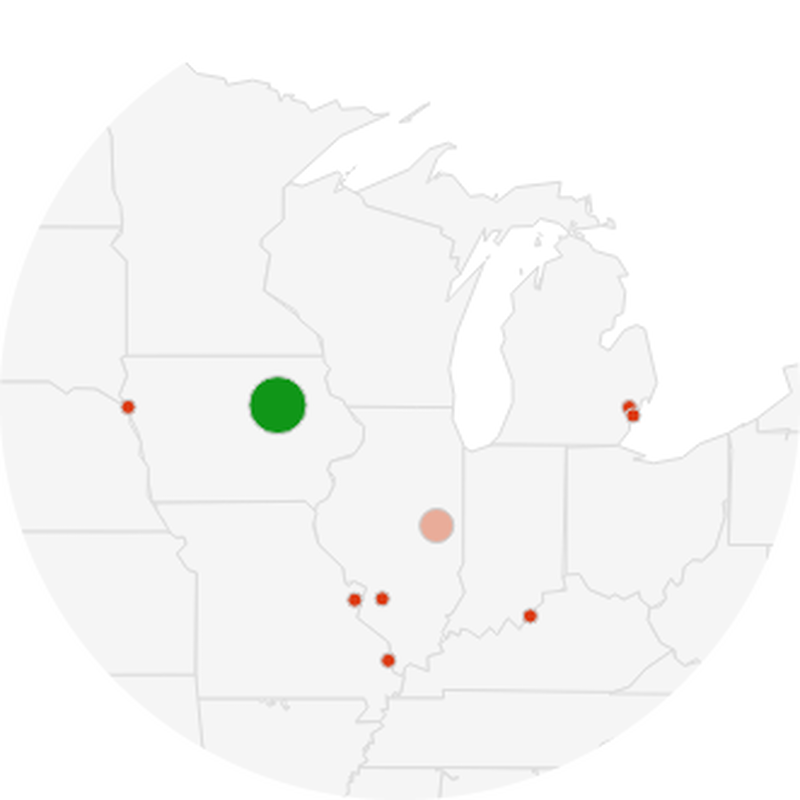 ed for dealerships in the Midwest.